14 Ways to Prevent Falling at Home
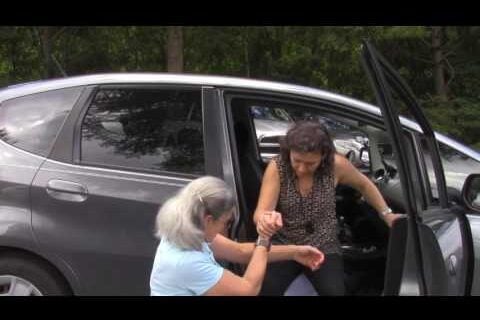
EMERGENCIES due to falling happen 54% more often in dementia. As a rule, 1-in-3 adults over 65 fall each year. Most falls happen at home. Make a few simple changes and prevent falls.
EMERGENCIES due to falling happen 54% more often in dementia. As a rule, 1-in-3 adults over 65 fall each year. Most falls happen at home. Make a few simple changes and prevent falls.
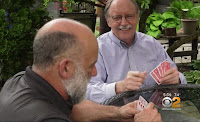
SOCIALIZING in your 50s and 60s strongly predicts less dementia later on. Learn why, from new research by University College London. See Ohio State University demonstrate how true it is, from animals to people.

A Quest Diagnostics amyloid beta blood test introduced to the market in 2022 helps determine the Alzheimer’s risk for people with signs of mild cognitive impairment or dementia.
Researchers found in a study that people who developed dementia were more likely to have their credit rating drop at least two and a half years before the diagnosis. Some had problems managing their money up to six years before. Find out more.

Hospital stays with dementia should focus on elder safety. See a special ER for seniors, equipped with brilliant features that speed comfort and care to this population.

Dear God,Be good to me;The sea is so wide and my boat is so small. Click to see (and optionally order) cards, shirts and mugs

Researchers find that a diet including more fruit, vegetables, beans and tea or coffee lowers the risk of developing dementia later in life. Learn more.
Did you know? Intellectual abilities are increased in the brain by an average 300% in most people ages 60-80.

Posterior Cortical Atrophy, or PCA, is a specific form of Alzheimer’s that affects the back of the brain.
Author Terry Pratchett was diagnosed with it.

Too much sleep and too little sleep can contribute to cognitive decline, researchers report. Learn more.

A University of California at Davis study examines how connection, through activities with horses, improves life with dementia.
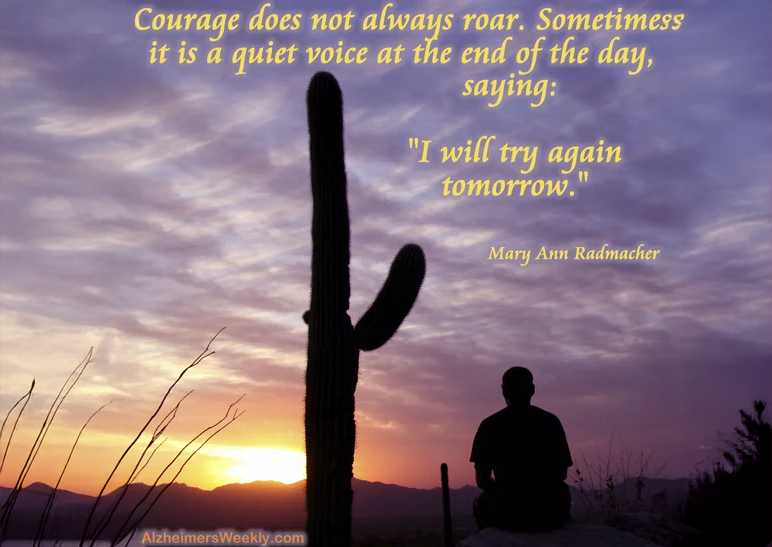
Courage does not always roar.
Sometimes it is a quiet voice at the end of the day saying,
“I will try again tomorrow.”
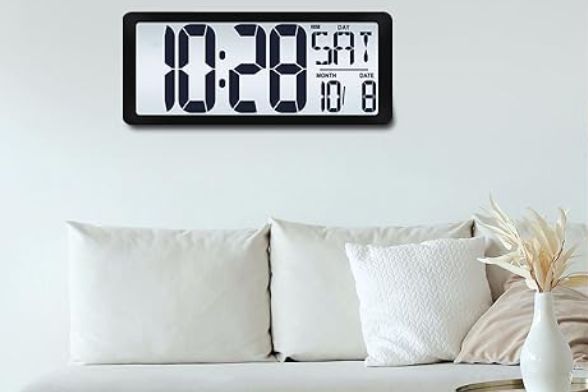
If your loved one asks a little too often, “What’s the time?” “What day is it?”, easily solve the problem with these Battery-Operated Dementia-Calendar-Clocks. No wires, hang them on any wall, stand them on any table.
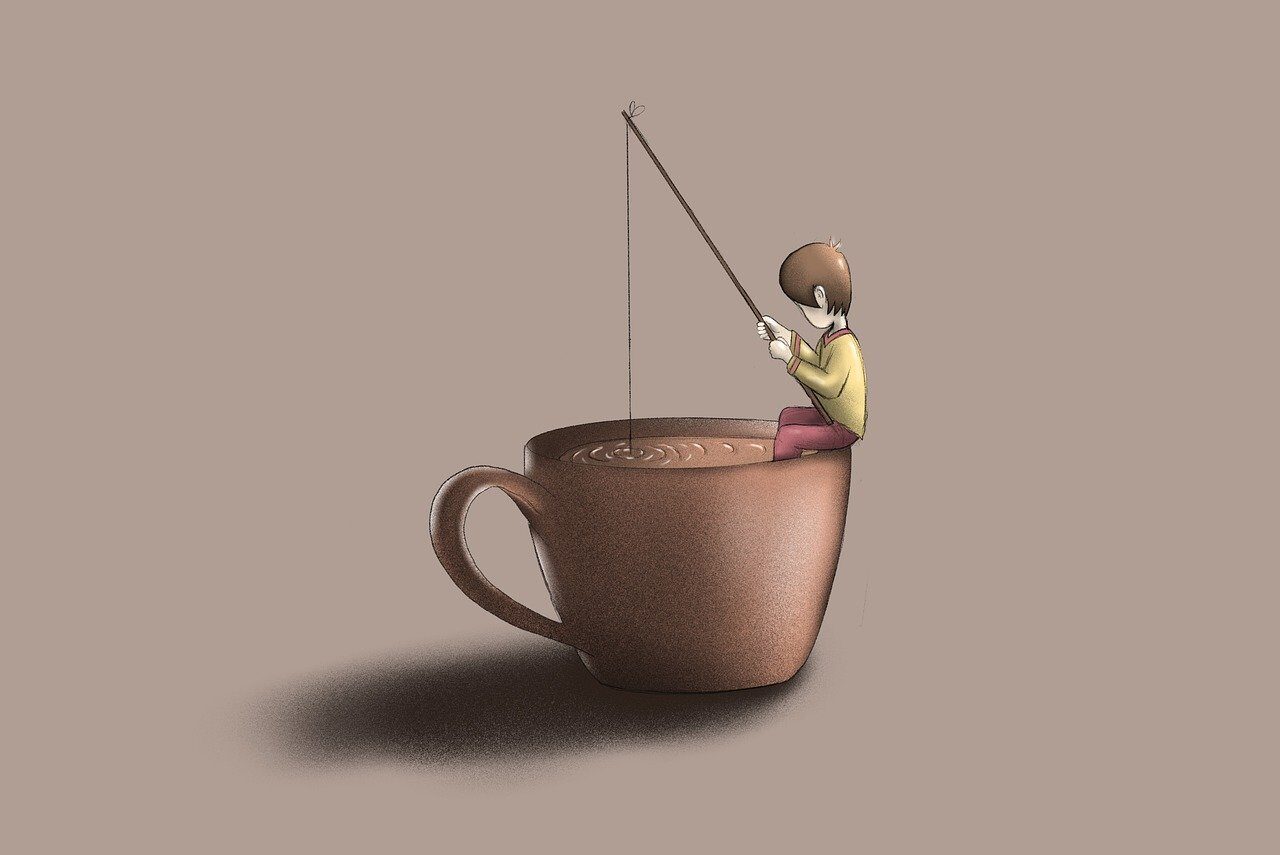
SHORT-TERM MEMORY lapses are obvious signs of Alzheimer’s, but other tell-tale signals begin to show much earlier. Learn how to look for semantic impairments, such as simple questions about size.

Three important dementia studies focus on HS-AGING, a type of dementia almost as common as Alzheimer’s in the 85+ group. Yet few people have heard of it. Why? What makes it different?
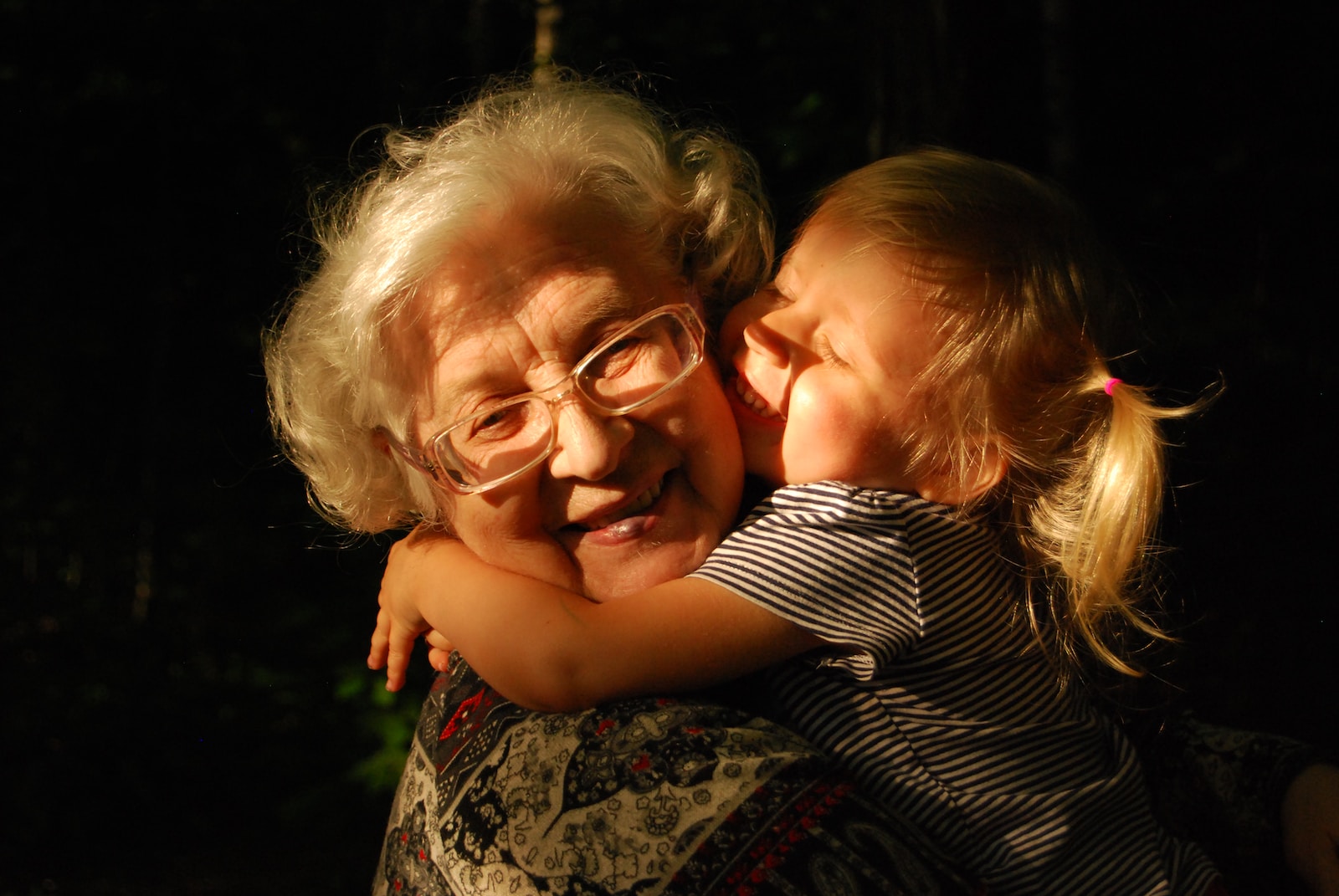
An intriguing study of 120 grandmothers might surprise you. Doctors know socially engaged people have better cognition and less dementia. But can a person get too much of a good thing? What’s the right balance?

Enjoy this great duet between a musician with dementia and his son. A triumph of spirit over Alzheimer’s! Sing-a-long if you like!